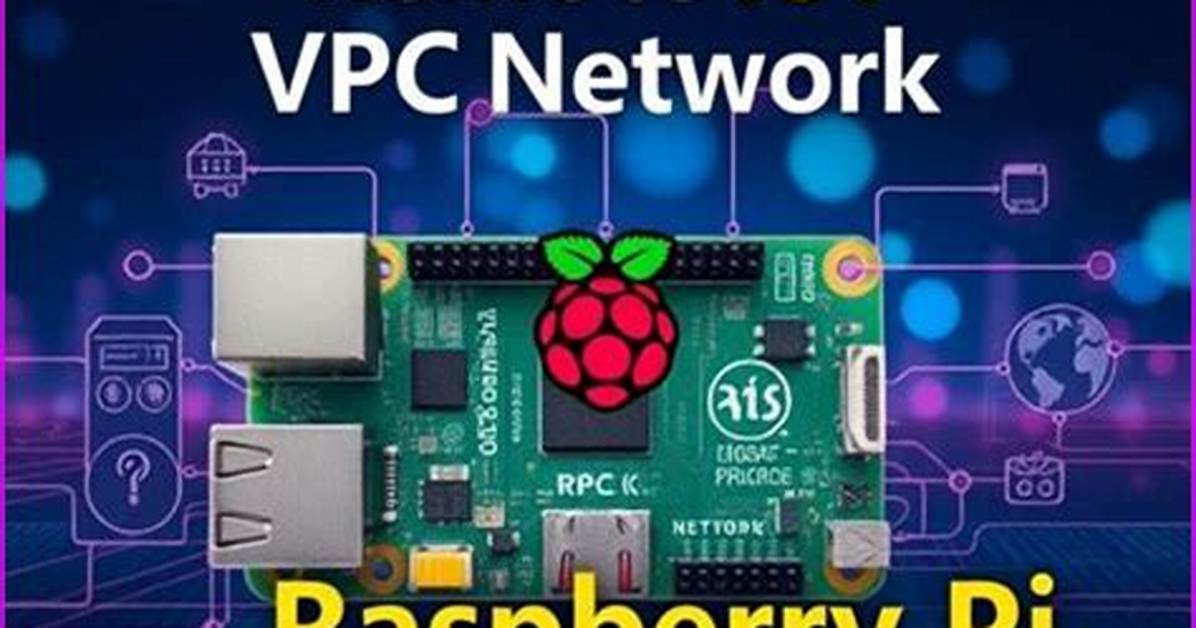
As the world becomes increasingly interconnected, the need to securely connect remote IoT devices through VPC on Raspberry Pi using AWS has become a critical priority for developers and organizations alike. The integration of IoT devices with cloud-based infrastructure provides endless possibilities for innovation, but it also comes with its own set of security challenges. Ensuring secure communication between devices, networks, and cloud services is no longer optional but a necessity.
This guide will delve into the intricacies of setting up and maintaining secure connections for remote IoT devices through AWS Virtual Private Cloud (VPC) using Raspberry Pi. We will explore the best practices, tools, and configurations necessary to safeguard your IoT ecosystem while maximizing performance and efficiency. Whether you're a beginner or an experienced developer, this guide will provide valuable insights to help you achieve a robust and secure IoT setup.
Throughout this article, we will cover everything from the basics of AWS VPC and Raspberry Pi to advanced security measures that ensure your IoT devices remain protected against potential cyber threats. By the end of this guide, you'll have a comprehensive understanding of how to securely connect your remote IoT devices and why this process is crucial for the success of your projects.
Introduction to AWS VPC
AWS Virtual Private Cloud (VPC) is a foundational component of Amazon Web Services that allows users to create an isolated section of the AWS cloud. This private virtual network enables secure and scalable hosting of applications and services, making it an ideal choice for managing remote IoT devices. By leveraging AWS VPC, organizations can define their own IP address range, configure routing tables, and implement network access controls to ensure secure communication between devices.
One of the key advantages of AWS VPC is its ability to integrate seamlessly with other AWS services, such as EC2 instances, S3 buckets, and Lambda functions. This integration simplifies the process of setting up and managing complex IoT ecosystems while maintaining high levels of security. Additionally, AWS VPC offers advanced features like subnets, security groups, and network ACLs that provide granular control over network traffic and access permissions.
Why Use AWS VPC for IoT?
Using AWS VPC for IoT applications provides several benefits, including:
- Enhanced Security: AWS VPC allows you to isolate your IoT devices from the public internet, reducing the risk of unauthorized access.
- Scalability: Easily scale your IoT infrastructure as needed without compromising performance or security.
- Flexibility: Configure your VPC to meet the specific needs of your IoT project, ensuring optimal functionality and security.
Raspberry Pi for IoT
The Raspberry Pi has become a popular choice for IoT projects due to its affordability, versatility, and ease of use. This single-board computer offers a range of features that make it ideal for connecting and managing IoT devices, including GPIO pins, wireless connectivity, and support for various programming languages. By combining Raspberry Pi with AWS VPC, developers can create powerful and secure IoT solutions that meet the demands of modern applications.
Some of the key features of Raspberry Pi that make it suitable for IoT applications include:
- Low power consumption
- Compact size and lightweight design
- Support for multiple operating systems, including Raspbian and Ubuntu
- Compatibility with a wide range of sensors and peripherals

