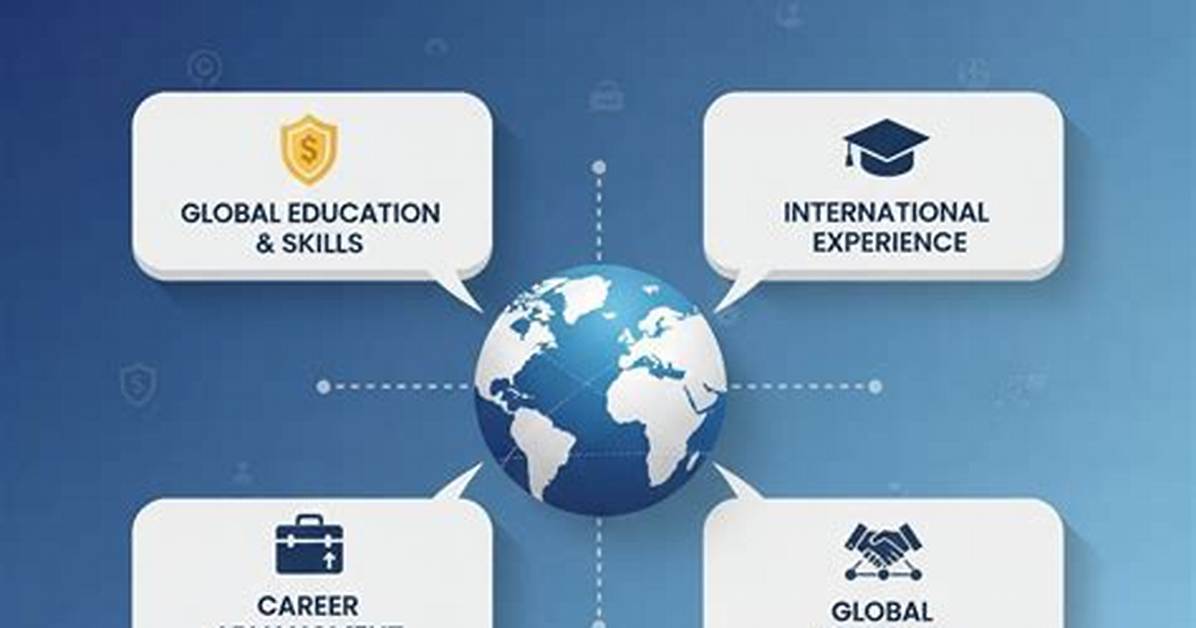
In today’s rapidly evolving world, international skills development has emerged as a crucial factor for individual and organizational success. As economies become increasingly interconnected, the demand for skilled professionals who can navigate diverse cultural landscapes is on the rise. This article will explore the importance of international skills development, its various components, and the pathways to acquiring these essential skills.
The concept of international skills development encompasses a broad range of competencies that are necessary for thriving in a globalized environment. From language proficiency to cultural awareness, these skills enable individuals to communicate effectively and collaborate across borders. As businesses expand their reach into new markets, the need for employees who possess these skills is more critical than ever.
Moreover, investing in international skills development not only benefits individuals in their careers but also contributes to the overall growth of organizations and economies. In this article, we will delve into the significance of these skills, the various methods for development, and the impact they have on career advancement and economic growth.
The Importance of International Skills Development
International skills development is vital for several reasons:
- Enhancing Employability: In a competitive job market, possessing international skills can set candidates apart from their peers.
- Facilitating Global Collaboration: These skills enable effective communication and collaboration among diverse teams.
- Driving Innovation: Exposure to different cultures and practices fosters creativity and innovation within organizations.
Key Components of International Skills
The primary components of international skills development include:
Cultural Awareness
Cultural awareness involves understanding and respecting cultural differences, which is essential for effective communication in a global context.
Language Proficiency
Language skills are fundamental for engaging with international clients and partners. Proficiency in multiple languages increases employability and facilitates better relationships.
Global Networking
Building a network of international contacts can lead to new opportunities and collaborations. Networking skills are crucial for navigating global markets.
Adaptability
The ability to adapt to new environments and challenges is a significant asset in international settings. Adaptability promotes resilience and problem-solving skills.

